

Introduction
If you are thinking about adding teeth whitening to your oral care routine, one of the most important questions to ask is: how often should you whiten your teeth? Millions of people pursue whiter smiles every year — some through professional dental visits, and others with at-home strips, gels, or trays. However, knowing the right frequency for each method is essential because over-whitening can cause lasting damage to both your teeth and gums.
This article covers:
- How teeth whitening actually works
- Safe usage guidelines for strips, gels, trays, and professional treatments
- Warning signs that indicate you are whitening too frequently
- Practical, easy-to-follow tips for maintaining a bright and healthy smile
By the end of this guide, you will have a clear, practical roadmap for using each whitening method safely — and keeping your smile looking its best without causing harm.
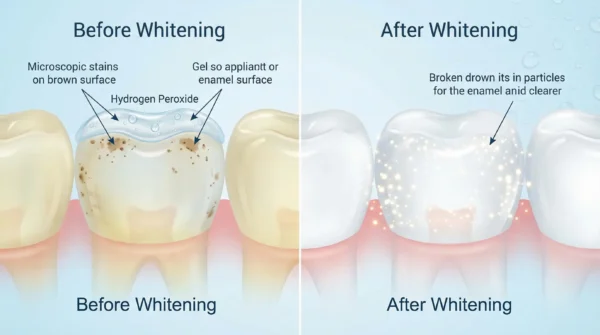
Understanding How Teeth Whitening Works
Teeth whitening may seem straightforward, but achieving safe and effective results requires understanding the process. Most whitening treatments rely on active ingredients such as hydrogen peroxide or carbamide peroxide, which penetrate the tooth surface and break down discoloration. Professional in-office whitening delivers the fastest and most noticeable results, while at-home options like custom trays, whitening strips, and gels offer gradual improvement over time.
Maintaining good oral hygiene is a key part of keeping your smile healthy alongside any whitening routine. This includes regular brushing, flossing, and, if you use dental appliances like retainers, keeping them properly cleaned. Over-the-counter whitening toothpastes can help manage minor surface stains on a daily basis, but for deeper whitening results, professional treatments or custom-fitted trays are generally more effective.
Recommended Whitening Methods and Safe Frequency
Understanding how often you should whiten your teeth depends largely on the method you choose. Each whitening option has a different concentration of bleaching agents and therefore a different recommended usage frequency. Since every person’s tooth sensitivity and enamel thickness varies, following safe guidelines helps prevent over-whitening.

Professional In-Office Whitening
Professional whitening performed by a dentist is the most efficient and powerful method available. It uses high-concentration bleaching agents under clinical supervision, often delivering visible results in a single session. For safety, this treatment should be scheduled no more than once every 6 to 12 months. More frequent sessions can weaken tooth enamel and irritate the gums.
At-Home Whitening Trays
Custom-fitted trays prescribed by a dentist use professional-grade whitening gel and provide gradual, even results. A standard course typically runs 2 to 4 weeks. For ongoing maintenance, dentists generally recommend repeating the process every 3 to 6 months, depending on individual needs and sensitivity levels.
Whitening Strips and Gels
Over-the-counter whitening strips and gels are a convenient choice for managing minor surface stains. These products contain lower concentrations of bleaching agents and are generally safe to use once every two months, or according to the product’s specific instructions. They are best suited for touch-ups rather than significant color changes.
Whitening Toothpaste and Daily-Use Products
Whitening toothpastes and similar daily-use products are safe for regular use and work well for minor stain maintenance. While they are not strong enough to produce dramatic color changes, they play a useful role in preserving results achieved through other whitening methods.
Warning Signs That You Are Whitening Too Often
Increased Tooth Sensitivity
Experiencing sharp pain or discomfort when consuming hot, cold, or sweet foods and drinks is a common sign that whitening frequency should be reduced.
Gum Irritation
Redness, soreness, or swelling of the gums can indicate that the bleaching agent is causing irritation. Taking a break from whitening is strongly advised if these symptoms appear.
Brittle or Translucent Teeth
Excessive whitening gradually weakens tooth enamel, which may cause teeth to appear translucent near the edges or feel more fragile than usual.

Practical Tips for Maintaining Your Results
Once you have achieved your desired shade, keeping your smile bright requires consistent daily habits. Here are some straightforward strategies:
Limit Staining Foods and Beverages
Coffee, tea, red wine, berries, and carbonated cola drinks are among the most common culprits for tooth discoloration. Rinsing your mouth with water shortly after consuming these can help reduce their staining effect.
Use a Straw for Drinks
Drinking through a straw reduces direct contact between staining liquids and your teeth, helping your whitening results last longer.
Keep Up with Dental Check-Ups
Regular professional cleanings remove plaque and surface stains, support enamel health, and help maintain your whitening results over time.
Use Whitening Toothpaste for Daily Maintenance
Incorporating a whitening toothpaste into your daily brushing routine helps manage minor surface stains between whitening treatments.
Care for Dental Appliances Properly
If you use retainers or other dental appliances, cleaning them regularly and correctly is important for overall oral hygiene and helps complement your whitening efforts.
Final Takeaways
Now that you have a clear understanding of how teeth whitening works and how each method should be used safely, here is a quick summary to keep in mind:
- Professional In-Office Whitening: Once every 6 to 12 months — overuse risks enamel damage and gum irritation.
- At-Home Whitening Trays: Follow a 2 to 4 week course, with maintenance every 3 to 6 months under dental guidance.
- Whitening Strips and Gels: Use once every two months or as directed on the product packaging.
- Whitening Toothpaste and Daily Products: Safe for everyday use to manage minor stains and preserve results.
- Signs of Over-Whitening: Tooth sensitivity, gum irritation, or brittle-looking teeth are clear signals to pause whitening and consult a dentist.
- Smile Maintenance: Reduce staining foods and drinks, use a straw, maintain regular dental visits, and keep up with daily brushing and flossing.
Answering the question of how often you should whiten your teeth ultimately comes down to the method you use, your individual sensitivity, and how well you maintain your results between treatments. By following the guidelines above, you can enjoy a brighter smile without compromising the long-term health of your teeth and gums.
